Economy
Page 4 / 6Macroeconomic coverage focused on Lebanon and the MENA region—growth, inflation, currency, employment, public finance, and major institutions such as the IMF and World Bank.
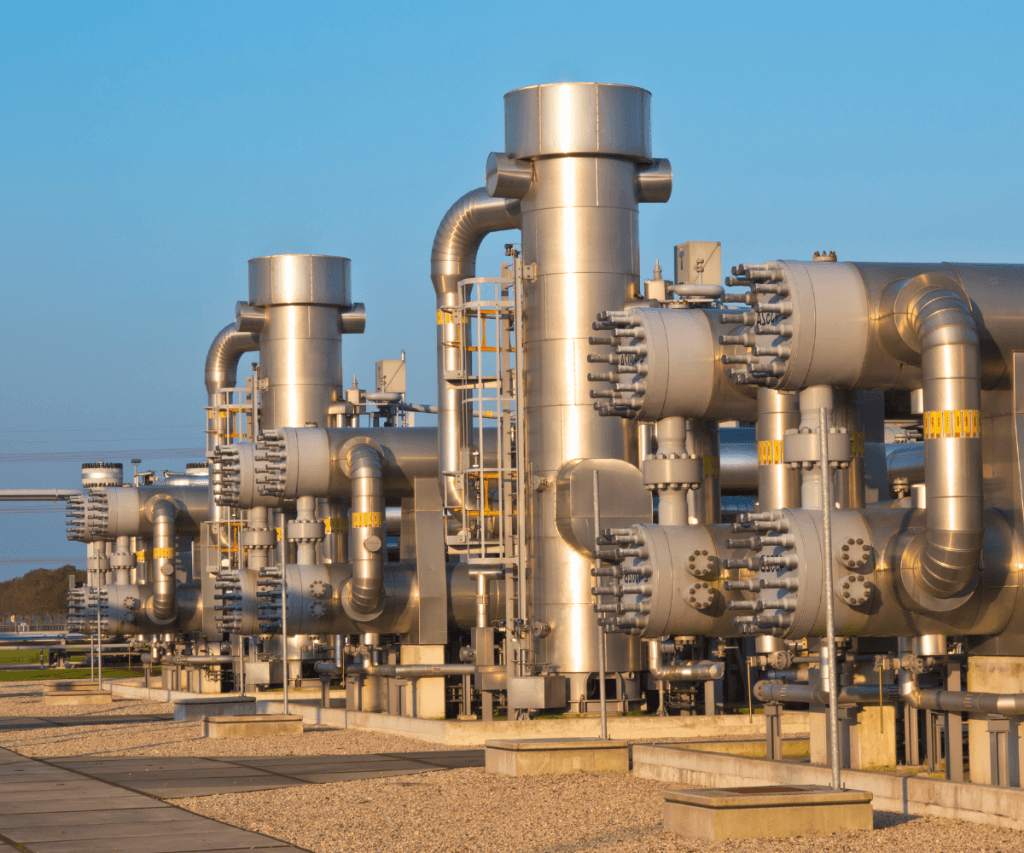
Egypt and Lebanon Sign Pipeline Rehabilitation Deal with TGS
Cairo agreement tasks Egypt's TGS with restoring a 30-km section of the long-dormant Arab Gas Pipeline route.
Egypt and Lebanon have signed an agreement appointing Egyptian operator TGS to rehabilitate a 30-kilometer stretch of pipeline plus pressure and control infrastructure. The deal, signed in Cairo by both energy ministers, aims to revive the long-dormant Arab Gas Pipeline corridor that once carried Egyptian gas north into Lebanon.
Lebanon Salary Report 2026: What Workers Earn by Sector and Role
Civil servant pay, banking, tech, NGO, and healthcare wages amid Lebanon's fragile recovery and dollarized economy
A detailed look at average salaries in Lebanon in 2026 across the public sector, banking, technology, healthcare, NGOs, hospitality, manufacturing, and professional services. The report explains how the country's dual-currency reality, with pay split between Lebanese pounds and 'fresh' US dollars, has reshaped every salary figure. Compiled from official decrees, central bank circulars, World Bank data, ILO statistics, and observed market ranges.
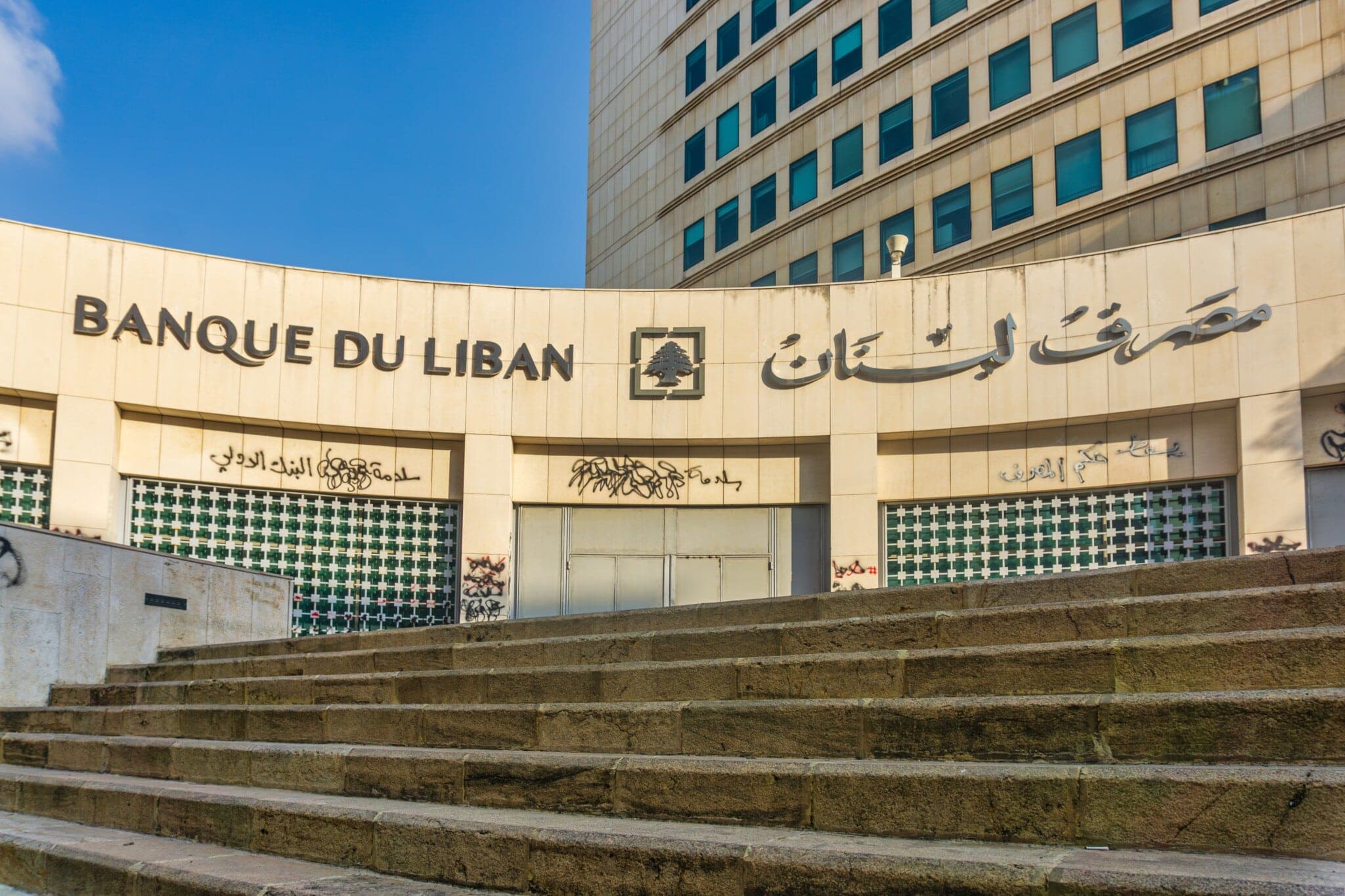
BDL Adds $142M to Reserves as Governor Pegs GDP Near $33 Billion
Lebanon's central bank foreign currency reserves recovered in early April after a March drawdown.
Banque du Liban's foreign currency reserves climbed by $142.65 million in the first half of April, reaching $11.7 billion. The rebound followed a March decline and came as the governor estimated Lebanese GDP at around $33 billion, framing monetary stability as the priority over recovery spending.
Salam Cabinet Pushes Banking Bill Toward Parliament Before IMF Mission
The IMF has tied further engagement to the Financial Gap Law and a credible medium-term fiscal framework.
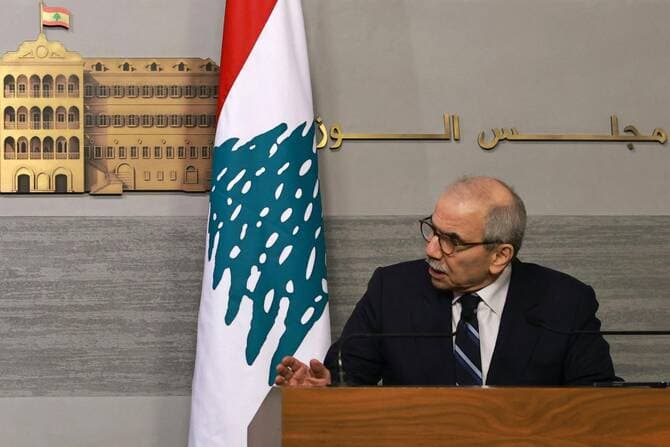
Prime Minister Nawaf Salam is moving the long-delayed banking restructuring bill through cabinet and toward parliament. The push comes ahead of an upcoming IMF mission, with the Fund linking further engagement to the Financial Gap Law and a medium-term fiscal plan.
Lebanon Could Slide Back Into Stagflation in 2026, Bank Audi Says
The bank's quarterly report estimates Lebanon is losing $75 million per day of war and maps three GDP scenarios for the year.
A quarterly economic report from Bank Audi outlines three GDP outcomes for Lebanon in 2026 depending on whether the ongoing war ends. The bank estimates daily war-related losses at around $75 million and warns that prolonged conflict could push the economy back into stagflation.
Lebanon Marks Labor Day Friday With Banks and Offices Shut
Government offices, banks, and most schools will close as Lebanon observes the international workers' holiday.
Lebanon will observe Labor Day on Friday, May 1, 2026. Government offices, banks, and schools are expected to close for the public holiday, giving most workers a three-day weekend.

Will Lebanon Float the Lebanese Pound?
Lebanon has unified much of its exchange-rate framework, but a true float remains tied to banking reform, fiscal credibility and IMF-backed stabilization.
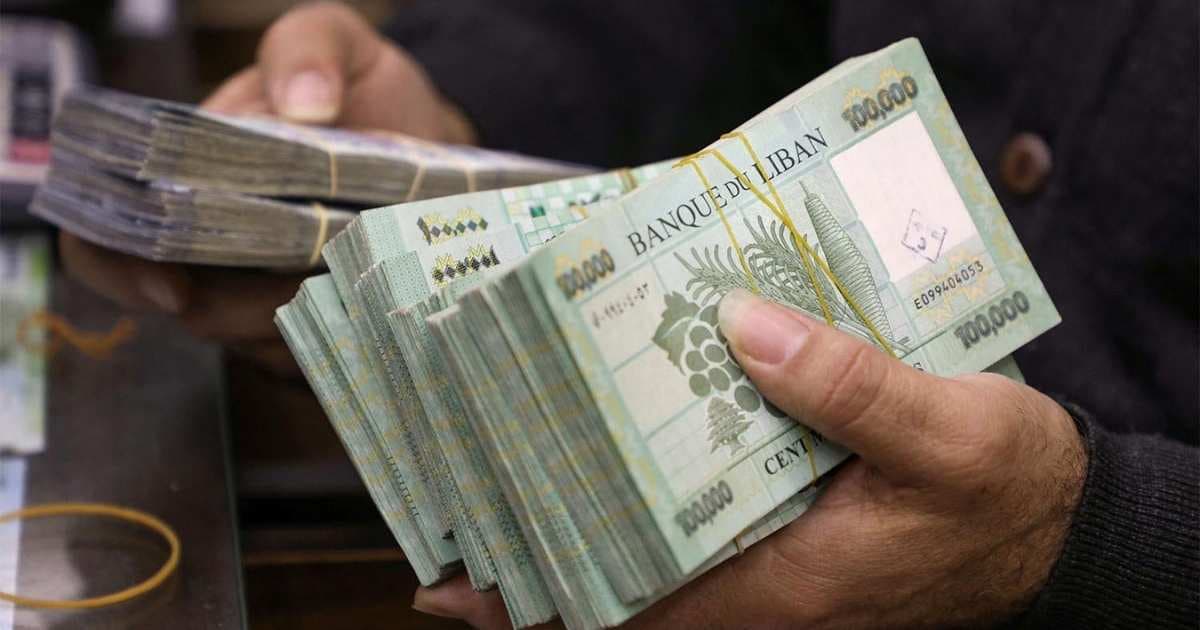
Lebanon’s pound has remained near LL89,500 to the dollar after years of collapse and multiple exchange rates. A full float is possible in theory, but economists say it would carry serious risks without banking restructuring, capital controls and a credible monetary framework.
UAE Launches AED1 Billion Fund to Strengthen Industrial Resilience
The new package aims to localise critical industries, expand UAE-made products and accelerate AI adoption across production and supply chains.
The UAE approved a new industrial support package, including an AED1 billion National Industrial Resilience Fund and a wider mandatory National In-Country Value Programme, as it targets full localisation of more than 5,000 critical products.

Saudi Arabia’s Red Sea Push Gains Weight as Hormuz Risks Rise
NEOM Port and the East-West Pipeline show how Riyadh is expanding trade and energy routes beyond the Strait of Hormuz.
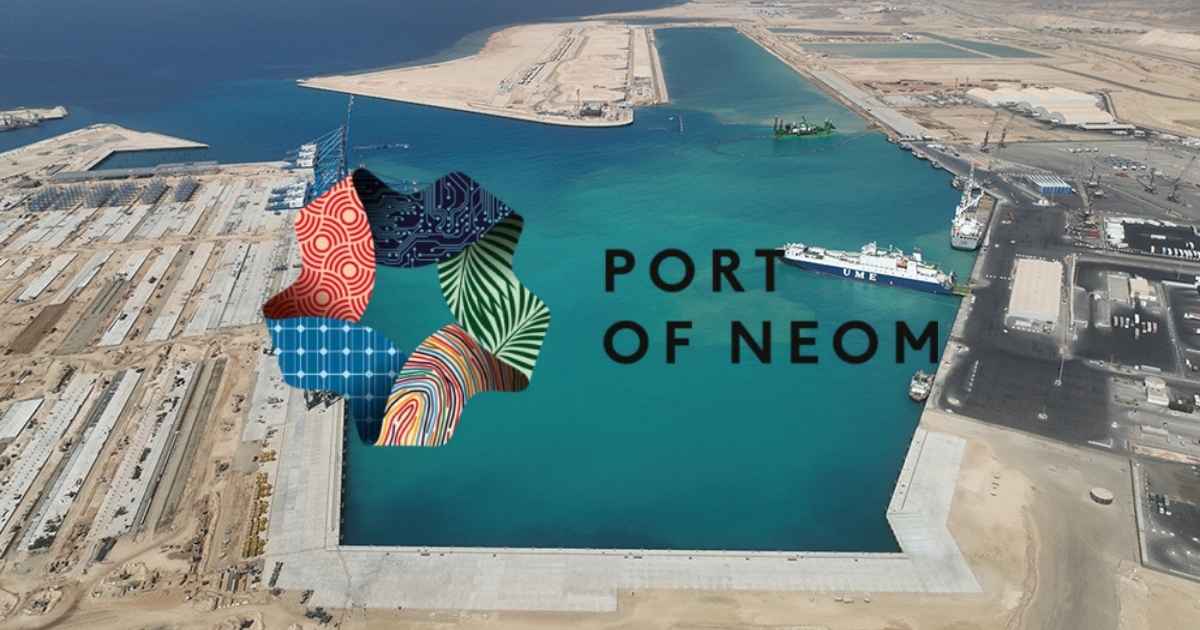
Saudi Arabia’s shift toward the Red Sea is gaining new relevance as regional tensions increase risks around the Strait of Hormuz. NEOM Port, new land corridors and the East-West Pipeline give Riyadh more flexibility, but they do not fully replace the Gulf’s most important maritime passage.
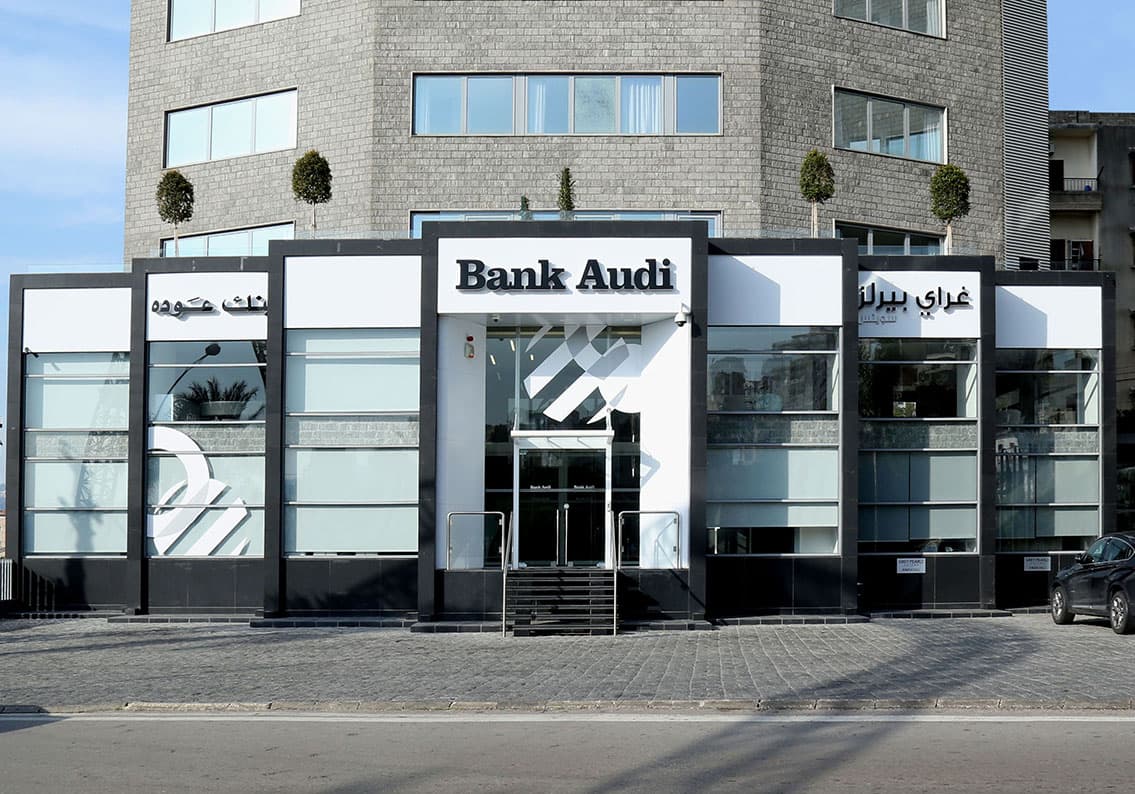
Bank Audi Projects Zero GDP Growth for Lebanon in 2026
The bank's quarterly report ties the flat forecast to the ceasefire holding, with inflation projected at 20 percent.
Bank Audi's latest quarterly report projects flat real GDP growth for Lebanon in 2026, conditional on the ceasefire holding. The bank also forecasts 20 percent inflation, BDL foreign reserves of $11 to $12 billion, and a trade deficit nearing $15 billion.
Lebanon–Israel Talks Resume in Washington as Ceasefire Extension Takes Center Stage
U.S.-brokered negotiations focus on extending the truce, with major implications for Lebanon’s security and economic recovery
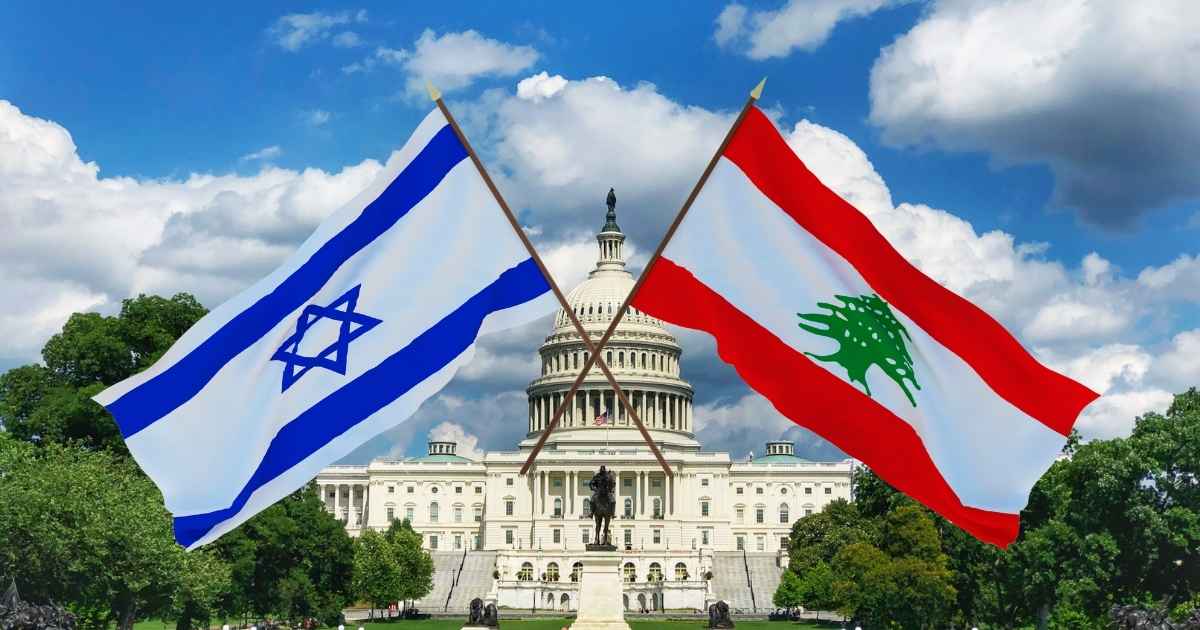
Lebanese and Israeli officials have resumed direct talks in Washington, aiming to extend a fragile ceasefire following March’s escalation. The outcome could shape both regional stability and Lebanon’s economic future.
Lebanon’s IMF Talks Advance Slowly as War Damage and Reform Gaps Weigh on Washington Meetings
Lebanese officials left Washington saying discussions with the IMF were constructive, but no staff-level agreement emerged as conflict costs, banking reforms, and fiscal planning continued to slow the path to a financing program.
Lebanon’s latest talks with the IMF showed movement but not a breakthrough. Officials said discussions in Washington were positive and the Fund said talks on a potential financing program are progressing, yet major obstacles remain, including war-related damage, unresolved banking reforms, and the need for a credible medium-term fiscal framework.