Economy
Page 6 / 6Macroeconomic coverage focused on Lebanon and the MENA region—growth, inflation, currency, employment, public finance, and major institutions such as the IMF and World Bank.
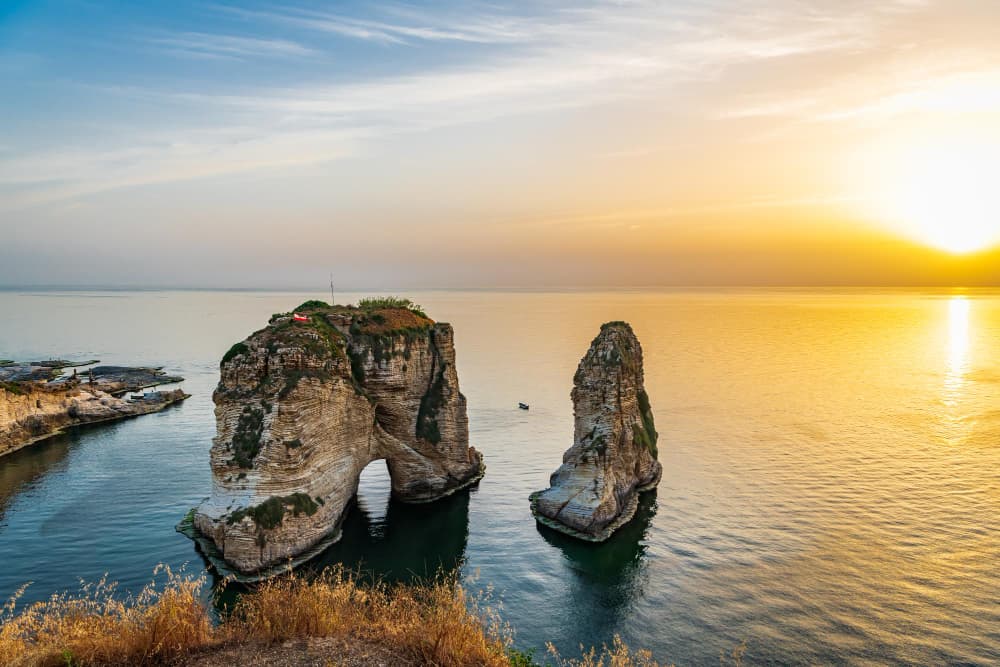
Lebanon-Israel Maritime Deal Under Threat as War Raises Risk of Collapse
As war expands on the Lebanon front, the 2022 maritime border agreement is back under scrutiny. The legal text, UN registration, and energy stakes all suggest it cannot be easily undone.
The Lebanon-Israel maritime agreement has re-entered the political spotlight as Israeli leaders debate tougher pressure on Lebanon during the current war. But the maritime border deal, signed in 2022 and registered at the United Nations, remains in force as of March 17, 2026, and legal experts say any unilateral attempt to scrap it would face serious obstacles under international law.
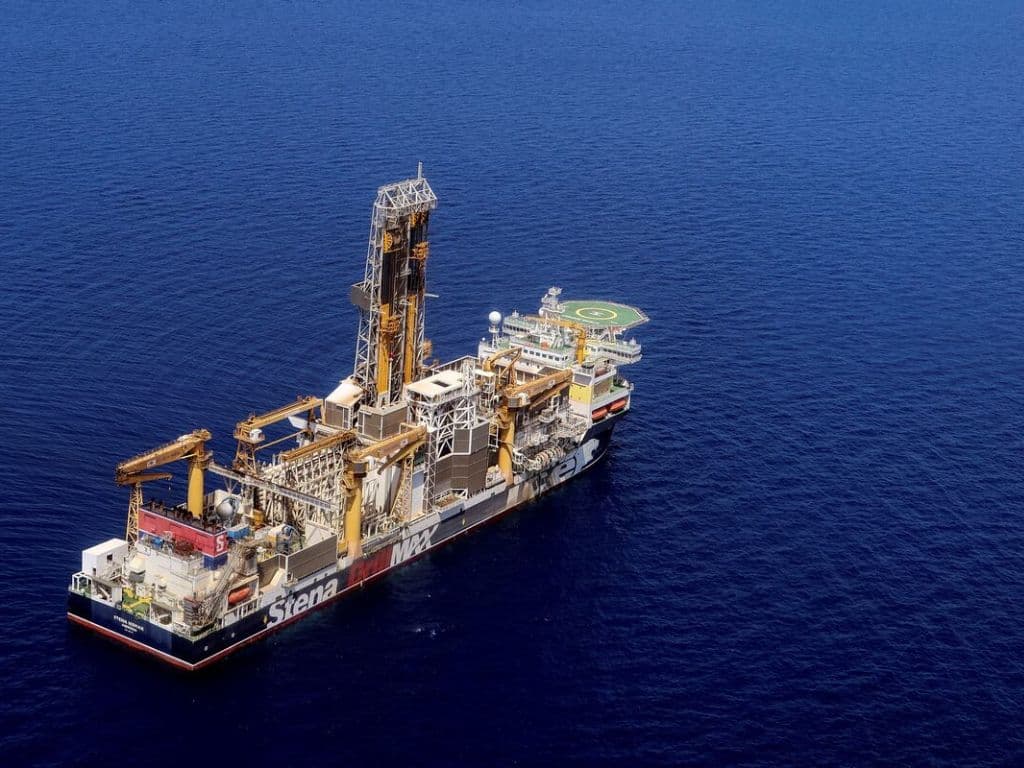
Oil Shock Threatens Lebanon’s Fragile Recovery as Fuel Prices Climb
Rising global crude prices and Strait of Hormuz disruption are pushing up Lebanon’s fuel bill, adding new pressure on transport, generators, and consumer prices.
Lebanon is facing a new economic strain as the global oil shock pushes local fuel prices higher and threatens to reignite inflation. The surge in crude prices, driven by conflict-related disruption in the Strait of Hormuz, comes just as the World Bank had projected inflation in Lebanon would fall to single digits in 2026.
Lebanon’s Housing Bank opens USD home loans to expats: caps, conditions, and how to apply
Banque de l’Habitat’s CEO says loans are available to Lebanese residents and expatriates alike, with caps up to $100,000 for purchase/build and $50,000 for renovation — and repayments reported in cash USD.
Lebanese expatriates can apply for home loans in Lebanon through Banque de l’Habitat, according to an interview with the bank’s CEO. Publicly stated terms include loan caps up to $100,000 for purchase/build and $50,000 for renovation, a minimum 20% self-funding requirement, and eligibility conditions tied to income and work history.

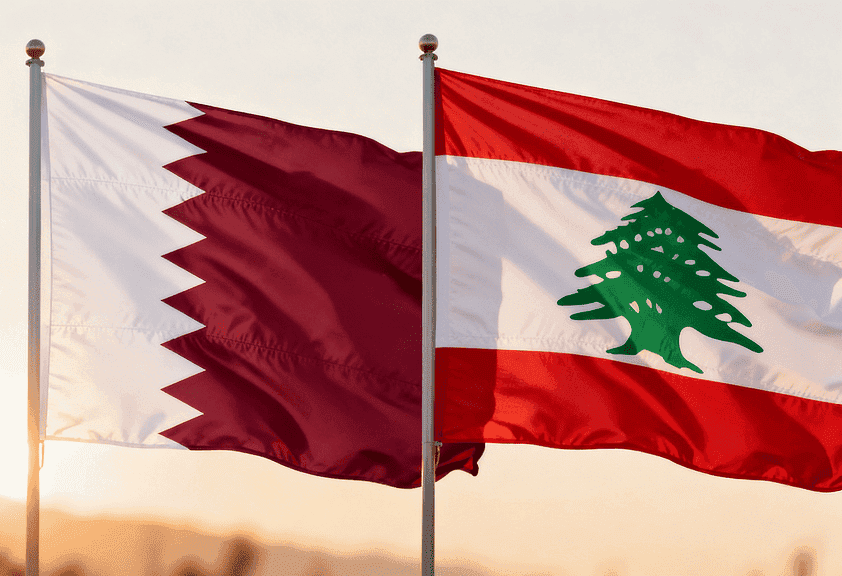
Qatar Pledges $434 Million Aid Package to Stabilize Lebanon’s Energy Sector
Doha’s latest intervention targets chronic power shortages and infrastructure recovery following regional conflict.
Qatar has committed $434 million in development and humanitarian support to Lebanon, with $400 million earmarked for the nation's crumbling energy infrastructure to alleviate a decades-long electricity crisis.
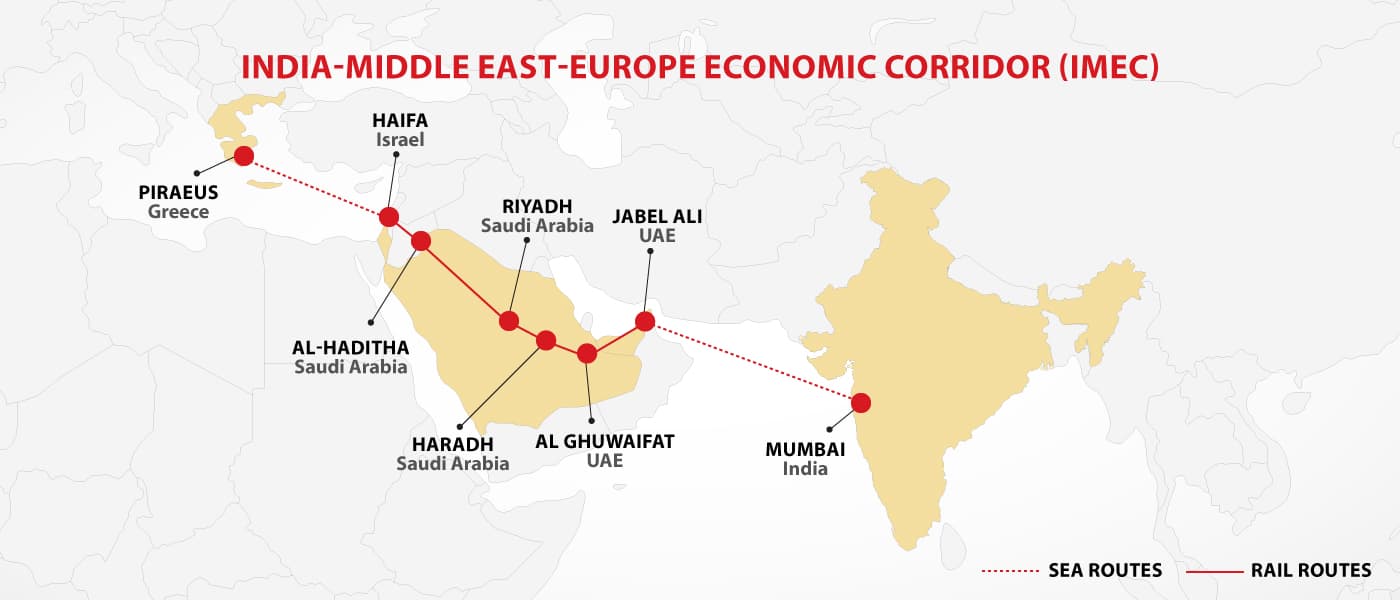
Lebanon wants in on IMEC. Here’s what the corridor is — and what it would take for Beirut and Tripoli to benefit
Lebanese leaders and a French envoy are discussing whether Beirut and Tripoli ports can plug into the India–Middle East–Europe Economic Corridor. The opportunity is real — but so are the constraints: infrastructure readiness, financing, governance, and the project’s Israel-linked geography.
Lebanon has stepped up talks to explore integrating the ports of Beirut and Tripoli into IMEC, a proposed India–Middle East–Europe logistics corridor combining maritime routes, rail links, and planned digital and energy connectivity. Meetings with France’s IMEC envoy show momentum, but Lebanon’s participation remains at the feasibility stage — and any economic upside depends on port modernization, predictable governance, and regional route politics. 
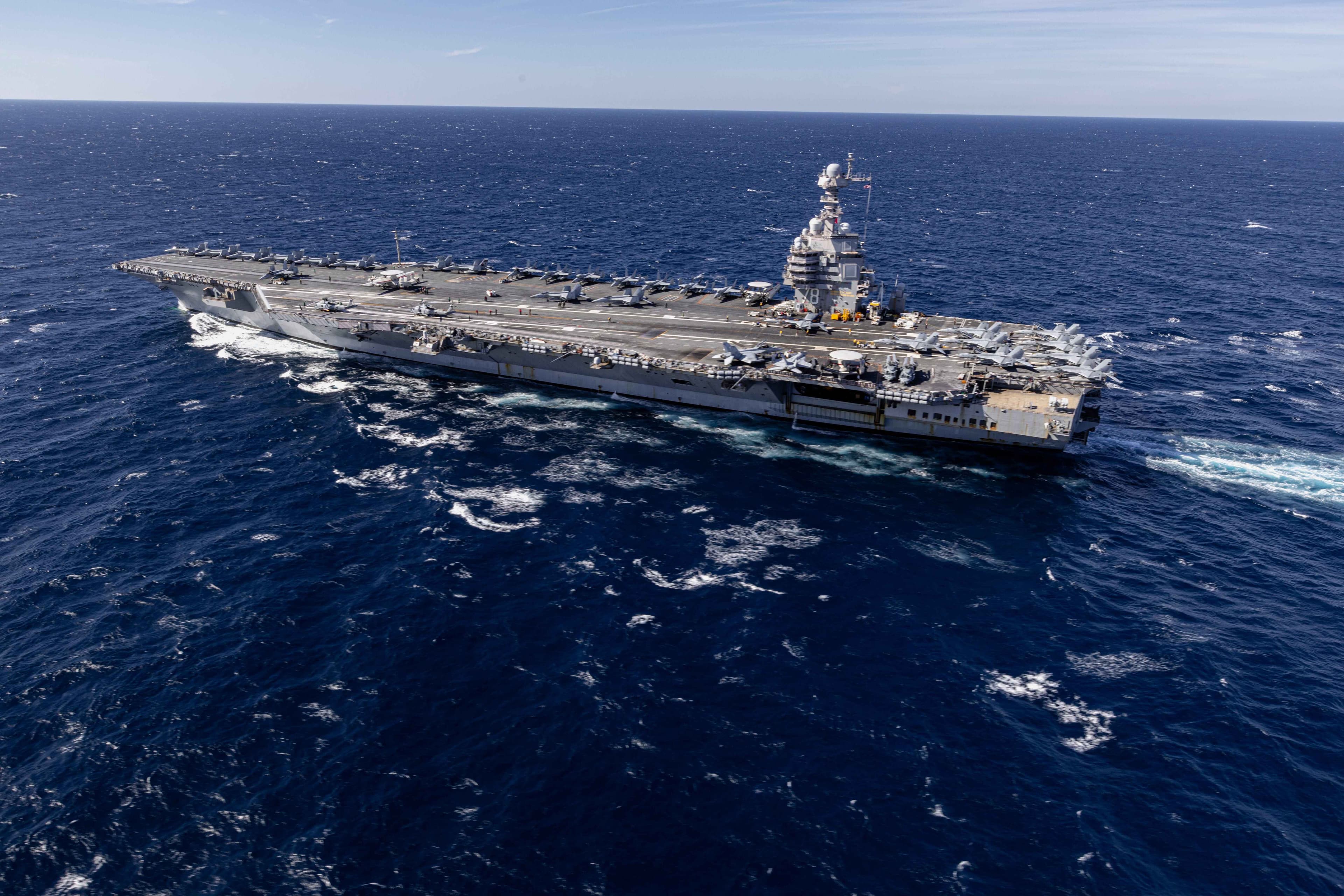
Economic Tension and Trade Shock: What Rising U.S.-Iran Conflict Means for the Global Economy
Escalating hostilities threaten global energy supplies, shipping costs, inflation trajectory, and trade flows, with markets pricing in risk premiums.
Escalating tensions between the United States and Iran have triggered higher oil prices, soaring shipping rates, and a growing risk premium on global markets, as strategic chokepoints including the Strait of Hormuz face renewed geopolitical pressure. Analysts warn that any military escalation could further disrupt energy supplies and global trade, pushing inflation higher and complicating economic forecasts for 2026. Experts also stress that diplomatic containment and coordinated global buffers will be critical in stabilizing markets. Recent data shows oil tanker freight costs at multi-year highs and analysts raising oil price outlooks amid persistent risk signals.
Arab Region Economy Set to Grow 3.7% in 2026 Despite Geopolitical Risks
UN report sees recovery driven by diversification and non-oil investment but warns of persistent conflict and trade uncertainties.
A new United Nations ESCWA report projects the Arab region’s economy to expand by 3.7 percent in 2026, up from 2.9 percent in 2025, amid declining inflation and strengthening non-hydrocarbon sectors. The report also highlights widening growth disparities among member states and ongoing geopolitical risks that could impede sustainable recovery.
Lebanon launches National Trade Help Desk to support MSMEs with export and compliance guidance
The new hybrid platform—run by the Ministry of Economy and Trade with UNDP support and Canada funding—offers consultations, training and practical trade procedures online and through chambers across Lebanon.
Lebanon has launched its first centralized National Trade Help Desk, a government-led platform designed to help micro, small and medium enterprises navigate trade procedures and access markets. The Help Desk combines an online portal and booking system with in-person support through chambers in Beirut, Tripoli and the Bekaa, with expansion planned to the South. 

World Bank approves $350 million for Lebanon, including $150 million for digital acceleration
The package funds two projects: a $200 million social safety net program and a $150 million Lebanon Digital Acceleration Project to modernize public services.
The World Bank has approved $350 million in new financing for Lebanon, split between a $200 million Social Safety Net Enhancement project and a $150 million Lebanon Digital Acceleration Project. The digital program aims to improve access to government services, strengthen digital platforms and data capabilities, and support a more secure digital environment for citizens and businesses.
IMF: Lebanon’s Rebound Won’t Turn Into Real Growth Without Deep Reforms
The Fund says tourism is helping short-term activity, but banking restructuring and a medium-term fiscal plan are now the core conditions for sustainable recovery.
Lebanon’s economy is showing resilience and a modest rebound led by diaspora tourism, but the IMF says sustainable growth depends on comprehensive reforms. Talks with Lebanese authorities are focused on banking sector restructuring and a medium-term fiscal strategy, including stronger revenue collection, essential capital spending, and sovereign debt restructuring.